

Men’s mental health deserves a conversation before things become overwhelming. You may be keeping up with work, caring for family, or answering every message while finding it difficult to explain how you feel. Starting with a trusted person can be a practical first step toward support.
November’s Movember campaign brings attention to men’s health, including mental health. It is also an opportunity to ask a more personal question: who can you talk with when life feels harder to manage? You do not need to grow a mustache, join a campaign, or have a diagnosis to begin.
Quick answer: To start a men’s mental health conversation, notice what has changed, choose a trusted person and a suitable moment, use a simple opening sentence, explain what support would help, and agree on a next step. If concerns persist, worsen, or interfere with daily life, contact a qualified healthcare professional.
Published November 4, 2026. Educational information from MBIS Counseling Services. Examples below are illustrative, not accounts of MBIS clients, and are not a diagnosis or individualized treatment plan.

Why talk about men’s mental health?
The National Institute of Mental Health explains that mental health conditions affect men and women, and that men are less likely to have received mental health treatment in the past year. Recognizing a concern and discussing it can open a pathway to care.
There is no single way that a man should feel, communicate, or ask for help. Culture, family expectations, past experiences, identity, finances, and the availability of a trusted listener can all shape a conversation. Avoid assuming that a quiet person is hiding a problem or that an outgoing person must be doing well.
For someone in Queens or Staten Island, the first step might be a conversation after a shift, a phone call with a sibling, or an appointment with a primary care provider. It does not have to be a long disclosure. A few honest words can explain that something needs attention.
What changes are worth noticing?
Pay attention to changes in your usual pattern, particularly when they continue or affect everyday responsibilities. NIMH identifies possible symptoms such as persistent sadness, irritability, changes in sleep or energy, increased worry, difficulty concentrating, and misuse of alcohol or drugs.
These experiences do not establish a diagnosis, and they are not unique to men. Physical symptoms can also need medical assessment. The useful question is how you are doing compared with your own usual functioning, rather than whether you match an online checklist.
- Have work tasks or ordinary decisions become harder to complete?
- Have you stopped making time for relationships or activities that matter to you?
- Are sleep, energy, or worry interfering with your day?
- Are you relying on alcohol or another substance in a way that concerns you?
- Would it help to explain what has been happening to a professional?
Our mental health check-in guide offers another starting point for reflection. Use reflection to prepare for a conversation, rather than to label yourself or someone else.
7 helpful ways to start a men’s mental health conversation
1. Describe what has changed in everyday language
You do not need a clinical term to explain a concern. Begin with something you have noticed: “I am finding it hard to switch off after work,” “I have been avoiding people,” or “I am more overwhelmed than I have let on.”
If you are unsure where to begin, write down one recent example. Think about what happened, how you felt, and what became difficult. A concrete example can be easier to share than trying to summarize an entire month or explain every possible cause.
You can also say that you are uncertain: “I do not know exactly what is going on, but this feels different for me.” The purpose of the opening is to make room for a conversation, not to arrive with a complete explanation.
2. Choose a person and a moment that feel workable
Consider who has listened respectfully in the past. That may be a friend, partner, family member, community connection, or healthcare professional. You can choose how much to share with each person; asking for support does not require telling everyone the same details.
Check whether the person has time and privacy. “Could we talk for a few minutes after dinner?” gives a clearer invitation than trying to start while both of you are rushing. A walk, a quiet room, or a phone call may fit better than a large gathering.
For a busy New York schedule, agree on a realistic time rather than waiting for an entirely free day. If privacy at home is difficult, ask a provider about an appropriate setting or appointment format. Avoid sharing sensitive details where you are likely to be overheard.
3. Use an opening sentence you can actually say
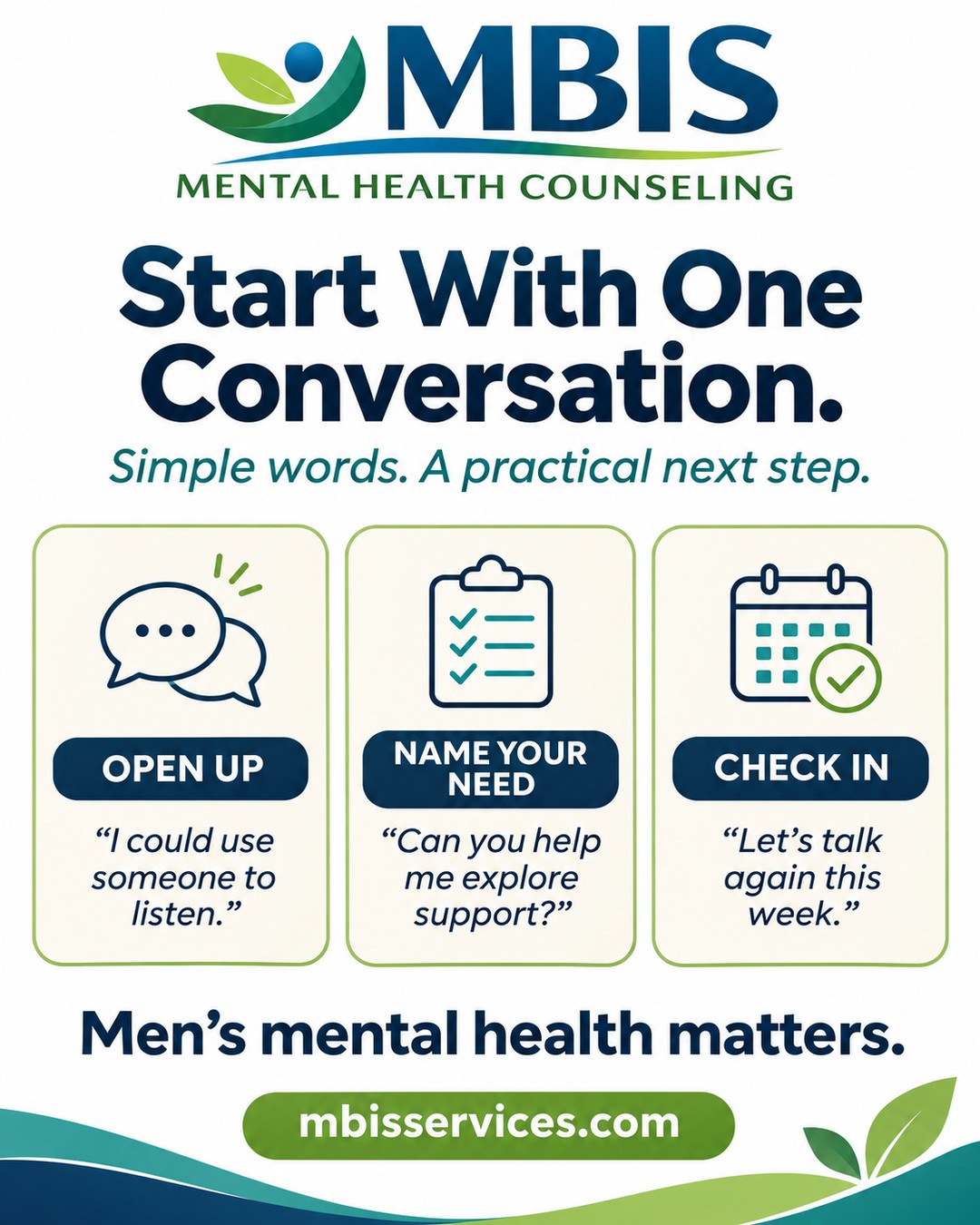
A short opening can lower the pressure to make the conversation sound polished. Try “I could use someone to listen,” “I have been having a difficult week,” or “Can I tell you something I have been keeping to myself?”
If talking face to face feels difficult, a brief message can arrange the conversation: “I have something personal on my mind. Would you have time for a call?” You can decide what feels appropriate to put in a message and what you would prefer to discuss privately.
Practice the first sentence aloud if that helps. You might even bring a written note to an appointment. It is fine to pause, lose your place, or say that you are finding it hard to explain. Those moments do not mean you have asked for help incorrectly.
4. Explain what kind of support would help today
The person listening may want to offer advice immediately. If you mainly need a listener, say so: “Could you hear me out first? I am not ready to work through solutions yet.” If practical help would be useful, name one specific task.
Examples include sitting with you while you look up appointment options, helping plan transportation, or checking in after a difficult workday. A clear request gives the other person something understandable to respond to without making them responsible for solving everything.
If caregiving is part of the pressure, our caregiver burnout article discusses ways to ask for practical support. Make requests that respect everyone involved, and arrange safe coverage for anyone who depends on care before changing responsibilities.
5. Make room for listening without judgment
When someone else opens up, let them finish before drawing conclusions. You can acknowledge the effort it took to speak and ask what they need. Avoid comparing their experience with someone else’s or deciding that they should feel differently because of their circumstances.
Movember’s men’s mental health guidance emphasizes asking, listening, encouraging action, and checking in. You do not have to diagnose a friend to be supportive. A question such as “What has that been like for you?” can leave room for the person to describe their own experience.
If you are the person seeking support and the first response feels unhelpful, consider another trusted person or a professional. A listener’s discomfort or lack of knowledge does not determine whether your concern matters. You can keep the next attempt brief and specific.
6. Turn the conversation into one manageable next step
Before ending, discuss what happens next. That might be another call, a primary care appointment, or contacting a counseling practice. Choose a step that matches the concern and the person’s circumstances rather than creating an ambitious list of changes.
For example: “Tomorrow I will call to ask about appointments, and we can check in afterward.” If cost, time, language, or transportation is a barrier, make that part of the planning conversation. Ask a provider about fees, insurance, scheduling, and service eligibility before assuming what is available.
Set a follow-up time that you can maintain. “I will call Thursday evening” is easier to use than “Let me know if you need anything.” A supportive relationship can continue alongside professional care; it does not need to carry the whole responsibility for treatment.
7. Prepare for a professional men’s mental health conversation
The NIMH guide to talking with a healthcare provider recommends preparing questions and describing symptoms clearly. Bring notes about what has changed, when it began, how often it happens, and how it affects your life.
Tell your provider about medications, supplements, alcohol or drug use, and relevant health concerns. You can ask what an assessment involves, which options may be appropriate, how progress is reviewed, and what to do if a treatment does not feel like a fit. Do not change prescribed treatment independently.
Ask how privacy and its limits apply in the setting, especially if an employer, agency, or family member is involved in a referral. You may also ask whether a trusted person can join part of an appointment. The first contact is a chance to understand the service and discuss your needs.
How can you support a friend’s or relative’s mental health?
Begin with an observation rather than an accusation: “We have not caught up much lately. How have you been?” If the person wants to talk, give them your attention. If they are not ready, leave a respectful invitation to reconnect.
Avoid turning a men’s mental health check-in into an interrogation. Do not demand a disclosure in a group or share someone’s private story without permission. You can care about a person while recognizing that you may not know the full situation.
You can also set your own limits: “I care about you, and I want us to find more support than I can offer alone.” If you are worried about immediate safety, seek urgent professional or emergency assistance rather than relying on an ordinary check-in.
When is it time to seek more support?
Consider professional help when concerns persist, worsen, or interfere with work, relationships, self-care, or daily tasks. The NIMH guide, My Mental Health: Do I Need Help? offers a starting point for thinking about severity and functioning. You do not have to wait a set number of days when you are worried or need help.
If there is immediate danger, thoughts of acting on self-harm, or an inability to stay safe, contact local emergency services or go to an emergency department. A routine appointment inquiry is not an emergency response service.
Men’s mental health support in Queens and Staten Island
MBIS Counseling Services provides behavioral health and counseling services. Contact the team to discuss your concern and ask about clinician fit, appointment options, fees, insurance, and current availability. A primary care provider can also help assess symptoms and discuss referrals.
MBIS has offices at 119-29 80th Road, Suite A, Kew Gardens, NY 11415, and 1110 South Avenue, Suites 63 & 65, Staten Island, NY 10314. Call (332) 222-0711 or visit the contact page. For more guidance, read our article on seeking mental health support.
Frequently asked questions about men’s mental health
Do I need a diagnosis before asking for counseling?
No. You can contact a practice to describe a concern and ask about appropriate assessment and support. Confirm the service’s intake requirements directly.
What if I cannot explain exactly how I feel?
Start with a recent example or a change in your daily life. Written notes can help. You can tell a provider that finding the words is part of the difficulty.
How can I support men’s mental health without knowing the right advice?
Listen respectfully, ask what would help, and encourage professional support when needed. You do not need to diagnose or take sole responsibility for another person’s care.
Can I start with a primary care provider?
Yes. A primary care provider can discuss your concerns, assess relevant health issues, and help you consider a referral to a qualified mental health professional.
Sources and further reading
NIMH: Men and Mental Health; NIMH: Talking With Your Healthcare Provider; NIMH: Do I Need Help?; and Movember: Men’s Mental Health. Conversation scripts are original illustrative examples.